

What Is Albania Famous For? A Guide to Its Rich Culture, History, and Natural Beauty
Albania, the hidden gem of the Balkans, is increasingly capturing the world’s attention for its stunning landscapes, rich history, and unique culture. Known for its breathtaking beaches, historic cities, and vibrant traditions, Albania has something for every traveler. But what exactly is Albania famous for? This article will dive deep into the facets that make this country truly remarkable.
What Is Albania Famous For in Terms of Its Unique Appeal?
Albania is celebrated for its extraordinary blend of cultural heritage, natural wonders, and warm hospitality. Unlike its more tourist-heavy European neighbors, Albania offers a serene and authentic travel experience, showcasing hidden treasures waiting to be explored.
Overview of Albania’s Unique Features
- A Land of Contrast: Albania is home to unspoiled beaches along the Albanian Riviera, rugged mountains like the Accursed Mountains, and ancient cities steeped in history.
- An Untouched Destination: Its lesser-known status among travelers makes Albania an off-the-beaten-path destination, perfect for adventurers seeking something different.
- Cultural Treasures: From traditional folk dances to its unique language and delicious cuisine, Albania’s culture captivates visitors.
What Are Albanians Best Known For Around the World?
Albanians are renowned for their hospitality, vibrant culture, and the notable individuals they’ve contributed to the world stage.
Cultural Identity and Traditions
- Unparalleled Hospitality: Albanians are famous for welcoming guests with open arms, embodying a deep-rooted tradition of generosity and kindness.
- Religious Harmony: Albania is a shining example of religious tolerance, where Muslims, Christians, and other faiths coexist peacefully.

Contributions to Art and History
- Famous Albanians: Figures like Mother Teresa, Dua Lipa, and Bebe Rexha have put Albania on the global map.
- Historical Influence: Albania’s role in history, particularly during the Ottoman period and its fight for independence, has left a lasting legacy.
What Is Albania Noted for Historically and Geographically?
Albania’s historical and geographical significance sets it apart from many other destinations, offering visitors a chance to connect with its storied past and awe-inspiring landscapes.
Historical Significance
- Skanderbeg’s Legacy: Albania’s national hero, Gjergj Kastrioti Skanderbeg, led a successful resistance against the Ottoman Empire, symbolizing Albania’s fight for freedom.
- Communist Era Relics: Thousands of bunkers scattered across the country are a reminder of its communist past, with some transformed into museums like Bunk’Art.
Geographical Marvels
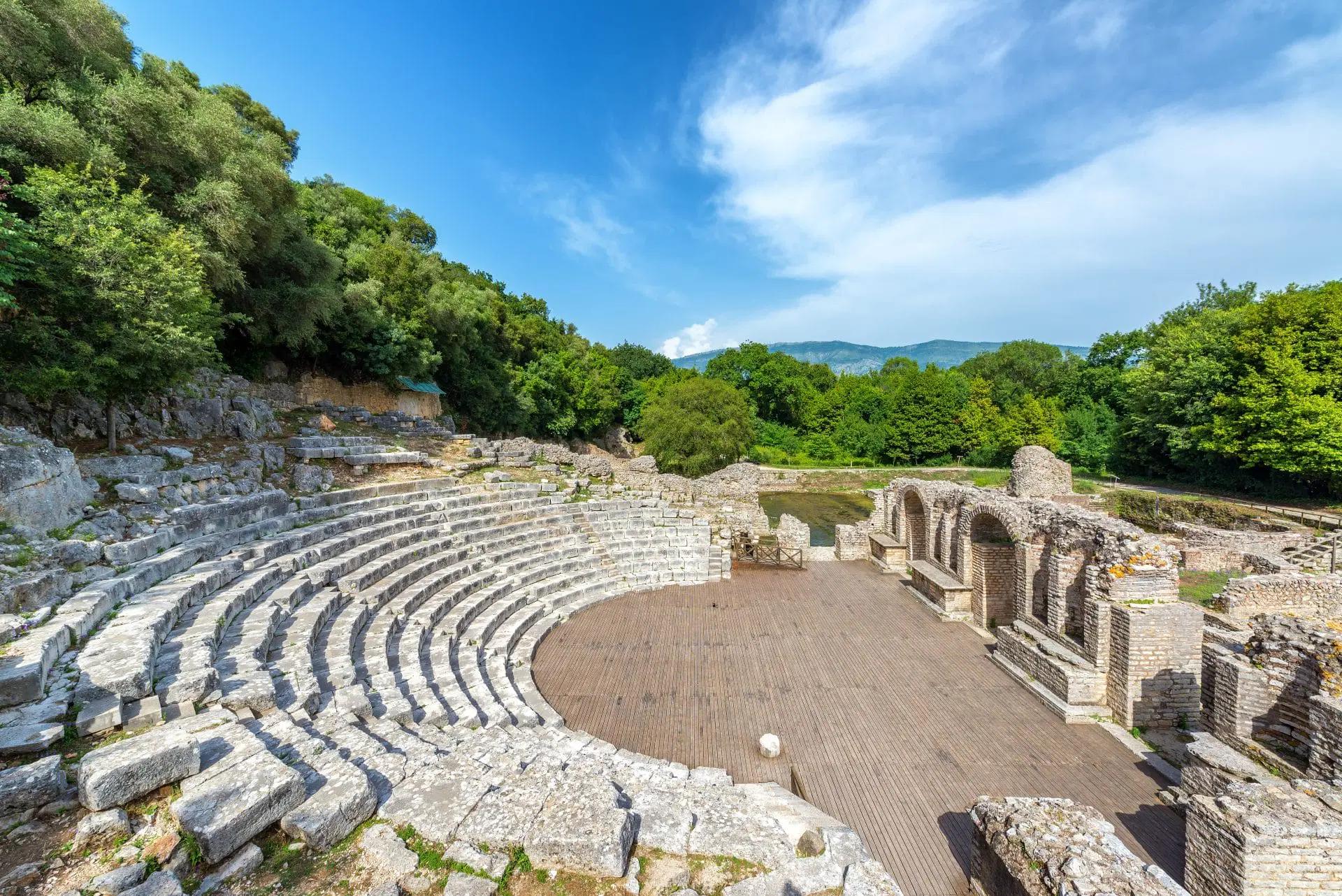
- UNESCO Sites: Berat, the “City of a Thousand Windows,” and Butrint, an ancient archaeological site, are highlights of Albania’s cultural heritage.
- Natural Wonders: From the pristine Blue Eye Spring to the dramatic Lake Koman, Albania’s natural beauty is unparalleled.
What Is Albania Rich for in Terms of Culture and Resources?
Albania’s richness lies in its vibrant culture, diverse natural resources, and the authenticity of its experiences.
Natural Resources and Scenic Beauty
- Eco-Friendly Energy: Albania is a leader in renewable energy, with most of its power generated through hydropower plants.
- Biodiverse Landscapes: Albania’s national parks, such as Llogara and Valbona, are havens for flora and fauna.
Cultural Wealth
- Unique Traditions: The Albanian language is one of the oldest in Europe, and its traditional dances are captivating.
- Culinary Delights: Dishes like byrek and tavë kosi showcase the flavors of the Mediterranean with a distinct Albanian twist.
What Makes Albania So Unique?
Albania’s distinct character stems from its unique traditions, landscapes, and cultural quirks that set it apart from other European destinations.
What Is Unique to Albania?
- Language Isolation: The Albanian language (Shqip) is a linguistic island in the Indo-European family, bearing no close relatives.
- Head Nods and Shakes: In Albania, nodding means “no,” and shaking your head means “yes,” a fascinating cultural twist that often surprises visitors.
- Dordolec Tradition: Scarecrows, or dordolecs, are placed on construction sites to ward off envy and bad luck—a unique Albanian superstition.
Why Do People Love Albania?
- Warm Hospitality: Albania’s people are known for their friendliness, often inviting strangers into their homes and offering traditional meals.
- Off-the-Beaten-Path Adventures: From untouched beaches to unexplored mountains, Albania’s appeal lies in its unspoiled beauty.
- Affordable Travel: With its low cost of living and travel expenses, Albania provides an incredible experience without breaking the bank.

What Is Albania Known for in Detail?
Exploring Albania means uncovering its remarkable blend of history, traditions, and natural splendor.
What Are the 15 Unique Things Albania Is Famous For?
- The Accursed Mountains: A hiker’s paradise in Northern Albania.
- Bunkers: Over 750,000 scattered reminders of Albania’s communist era.
- The Albanian Riviera: Pristine beaches with crystal-clear waters.
- Tirana’s Colorful Buildings: A post-communist transformation into a vibrant capital.
- The Blue Eye: A mesmerizing natural spring with bright turquoise water.
- Butrint: An ancient city showcasing Greek, Roman, and Byzantine history.
- Ksamil Islands: Uninhabited islands perfect for kayaking and snorkeling.
- Unique Religious Tolerance: Muslims and Christians coexist harmoniously.
- Traditional Folk Dances: Intricate steps performed during weddings and festivals.
- Iconic Cuisine: Byrek, tavë kosi, and fresh seafood define Albanian dining.
- Skanderbeg Square: The heart of Tirana, showcasing national pride.
- Furgons: Albania’s informal and lively minibus transportation system.
- The Pyramid of Tirana: A controversial remnant of Albania’s communist past.
- Coffee Culture: A cherished tradition of enjoying espresso and Turkish coffee.
- UNESCO World Heritage Sites: Berat, Gjirokastër, and Butrint.
What Is Albania Known for on a Broader Scale?
- Cultural Traditions: From polyphonic singing to its famed hospitality, Albanian culture is rich and enduring.
- Historical Resilience: Albania’s history reflects its strength and resistance, from Skanderbeg to its communist era.
- Natural Beauty: The country’s biodiversity, mountains, and coastlines make it a treasure trove for nature enthusiasts.
Why Is Albania Becoming a Popular Tourist Destination?
Albania’s growing popularity is attributed to its unique offerings that cater to diverse travelers.
Albania’s Tourist Appeal
- The Albanian Alps: Rugged peaks and serene landscapes attract adventure seekers.
- The Ionian Coast: Lesser-known beaches rival the Mediterranean’s best.
- Rich History: Cities like Berat and Gjirokastër offer a glimpse into the past.
- Affordability: Albania is an economical alternative to its pricier neighbors like Italy and Greece.
What Are Albanians Best Known For?
The people of Albania are integral to the nation’s charm, known for their hospitality, cultural richness, and notable figures in history and the arts.
What Are Albanians Famous For?
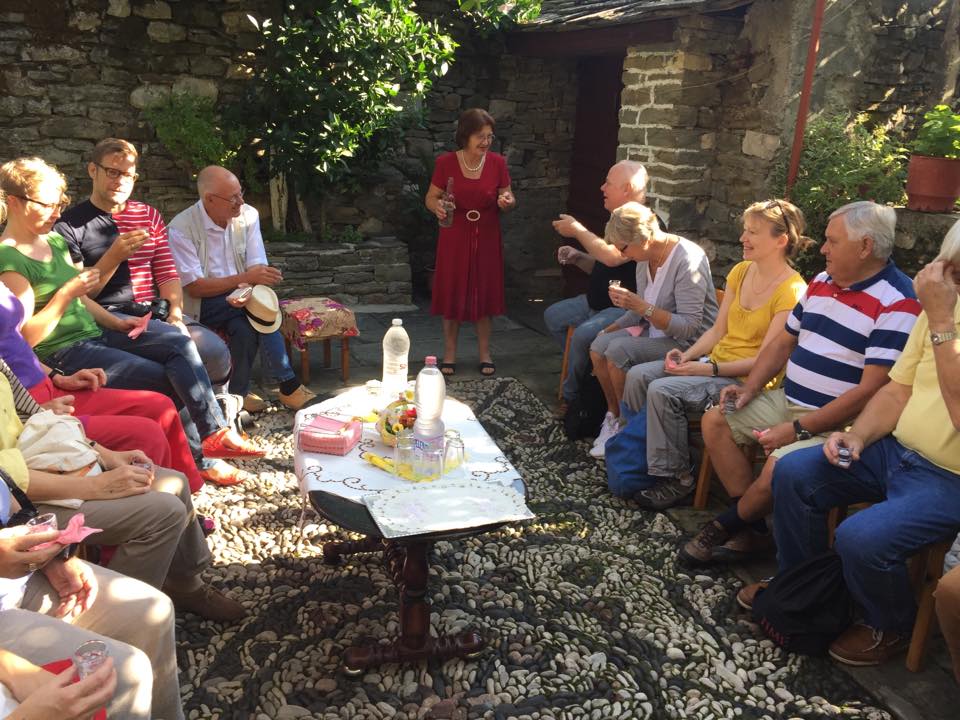
- Exceptional Hospitality: Albanians are renowned for their warmth and generosity, often welcoming strangers into their homes.
- Cultural Pride: From traditional folk dances to vibrant festivals, Albanians celebrate their heritage with passion.
- Global Contributions: Notable Albanians, like Mother Teresa, have left an indelible mark on the world.
Who Are Famous Albanians in History?
- Mother Teresa: Born to Albanian parents, she became a global icon of compassion and humanitarian work.
- Skanderbeg: A national hero who resisted Ottoman rule in the 15th century and symbolizes Albania’s resilience.
- Enver Hoxha: A controversial figure who led Albania during its communist era.
- Dua Lipa and Bebe Rexha: Global pop sensations of Albanian descent, celebrated for their music.
What Is Albania Rich For?
Albania’s wealth lies in its cultural heritage, historical treasures, and natural beauty, rather than monetary affluence.
What Are Albania’s Cultural and Historical Riches?
- Heritage Sites: Four UNESCO World Heritage sites—Butrint, Berat, Gjirokastër, and the Ohrid Region—highlight Albania’s cultural and historical significance.
- Diverse Influences: Albania’s history reflects Illyrian, Roman, Ottoman, and Byzantine legacies.
- Traditional Crafts: Handwoven textiles, silver filigree jewelry, and wood carvings are artisanal hallmarks of Albania.
How Does Albania’s Natural Beauty Define Its Wealth?
- The Accursed Mountains: Untouched alpine wilderness teeming with biodiversity.
- The Albanian Riviera: Stunning coastlines rivaling those of more famous Mediterranean destinations.
- Rich Biodiversity: National parks like Llogara and Valbona offer unique flora and fauna.
What Is Albania Noted For in Modern Times?
Albania’s transformation from an isolated communist state to a thriving travel destination has garnered global attention.
How Has Albania Modernized and Thrived?
- Post-Communist Revival: Tirana’s colorful buildings and modern infrastructure are symbols of Albania’s renewal.
- Tourism Growth: The country’s rise as a tourist hotspot showcases its cultural, historical, and natural appeal.
- Sustainability Efforts: Albania’s focus on renewable energy, primarily hydropower, underscores its commitment to eco-friendly development.
What Fun Facts Highlight Albania’s Uniqueness?
- Nod for No, Shake for Yes: A linguistic quirk that often surprises visitors.
- Bunker Legacy: Over 750,000 bunkers remain as reminders of Albania’s communist history.
- Evening Stroll Tradition (Xhiro): A beloved practice where people gather to walk and socialize in the evenings.

What Is Unique to Albania?
Albania is a land of fascinating quirks and distinct cultural attributes that make it unlike any other country.
Why Is Albania So Special?
- Isolated History: Decades of communist isolation preserved Albania’s cultural and natural identity, making it a hidden gem in Europe.
- Language: The Albanian language, Shqip, has no close relatives, occupying its unique branch in the Indo-European family.
- Religious Tolerance: Albania is celebrated for its harmonious coexistence of different religions, often with mosques and churches standing side by side.
Why Is Albania So Popular Among Travelers?
- Untouched Beauty: Remote beaches and pristine mountain landscapes attract those seeking unspoiled destinations.
- Affordable Adventure: Travelers enjoy rich experiences, from hiking the Albanian Alps to exploring ancient ruins, without breaking the bank.
- Rich History: The blend of Greek, Roman, Byzantine, and Ottoman influences offers history enthusiasts plenty to discover.
Why Do People Love Albania?
Travelers and locals alike are enchanted by Albania’s charm, hospitality, and authentic experiences.
What Drives Albania’s Growing Popularity?
- Authentic Experiences: Visitors are drawn to the genuine warmth of the people and the lack of commercialization.
- Culinary Delights: A mix of Mediterranean and Balkan flavors makes Albanian cuisine memorable.
- Outdoor Adventures: Opportunities for hiking, boating, and exploring caves abound for nature enthusiasts.
What Keeps Visitors Coming Back to Albania?
- Sense of Discovery: With fewer tourists compared to other European destinations, Albania feels like a hidden treasure waiting to be explored.
- Local Connections: The open and welcoming nature of Albanians often leaves a lasting impression.
- Cultural Richness: From lively bazaars to traditional dances, Albania offers a deep dive into its vibrant heritage.

What Is Albania Known for? 15 Unique Things About Albania
Albania stands out for its unique blend of natural beauty, cultural heritage, and historical significance. Here are 15 things that make this Balkan country truly remarkable.
What Makes Albania’s Natural Beauty So Unique?
- The Accursed Mountains: Also known as the Albanian Alps, these remote and rugged peaks are a haven for hikers and nature enthusiasts.
- The Blue Eye: A stunning natural spring with crystal-clear turquoise water, it’s one of Albania’s most photographed spots.
- Lake Koman: The ferry ride across this scenic lake is often described as one of the most beautiful boat trips in the world.
What Are Albania’s Historical and Cultural Highlights?
- UNESCO World Heritage Sites: Berat and Gjirokaster showcase exceptional Ottoman-era architecture and are must-visit destinations.
- Butrint National Park: This archaeological treasure holds remnants of Greek, Roman, Byzantine, and Venetian civilizations.
- Bunkers: Albania’s communist history is symbolized by its countless bunkers, some now transformed into museums and art spaces.
What Is Unique About Albania’s Lifestyle and Traditions?
- Xhiro: The evening stroll, a cherished Albanian tradition, brings people together in towns and cities across the country.
- Religious Tolerance: A country where people of different faiths coexist peacefully, Albania has been praised by figures like Pope Francis for its interfaith harmony.
- Traditional Folk Dances: Rooted in regional traditions, Albanian dances are performed at weddings and celebrations.
How Does Albania’s Cuisine Reflect Its Rich Heritage?
- Byrek: This flaky pastry, filled with cheese, spinach, or meat, is a staple of Albanian cuisine.
- Tavë Kosi: A baked lamb and yogurt dish, it’s one of the country’s most beloved meals.
- Fresh Seafood: With a long coastline, Albania offers an abundance of seafood dishes, especially along the Albanian Riviera.
What Is Albania Known for? 55 Things Albania Is Famous for
From its historical treasures to modern-day cultural quirks, Albania boasts a diverse array of attractions and characteristics.
What Are Albania’s Historical and Architectural Marvels?
- Castles and Fortresses: Rozafa Castle, Kruje Castle, and Lekuresi Castle offer breathtaking views and tales of Albania’s past.
- Ottoman and Roman Ruins: Explore the amphitheater in Durres and the ancient city of Apollonia to step back in time.
What Are Some Fun Facts About Albania?
- Nod for No, Shake for Yes: The Albanian head gestures for yes and no are the opposite of what most people are used to, creating a fun cultural twist for visitors.
- Scarecrows for Good Luck: Dordolecs, scarecrow-like figures placed on construction sites, are believed to ward off envy.
- Love for Coffee: Albania’s coffee culture is vibrant, with cafes on nearly every corner.
This section provides a thorough exploration of Albania’s highlights and unique traits. Let me know if you’d like to move on to the next section!
Why Is Albania So Popular?
Albania’s growing popularity among travelers stems from its unique combination of affordability, natural beauty, and rich cultural experiences. Let’s explore what draws people to this Balkan gem.
Why Do People Love Albania’s Beaches?
- Pristine Shorelines: The Albanian Riviera offers unspoiled beaches with crystal-clear waters and secluded coves.
- Affordable Beach Destinations: Compared to neighboring Mediterranean countries, Albania’s beaches are budget-friendly yet stunning.
- Diverse Coastal Experiences: From the lively town of Saranda to the tranquil shores of Himare, Albania caters to all types of travelers.
What Makes Albania’s History and Culture So Appealing?
- Living History: Cities like Berat and Gjirokaster allow visitors to experience preserved Ottoman architecture and local traditions.
- UNESCO Heritage Sites: Historical landmarks such as Butrint and the ancient ruins of Apollonia captivate history enthusiasts.
- Rich Folklore: Traditional music, dance, and costumes are integral to Albania’s cultural identity, offering a glimpse into its vibrant heritage.
How Does Albania’s Hospitality Attract Visitors?
- Warm and Welcoming Locals: Albanians are known for their genuine hospitality, often inviting tourists into their homes.
- Cultural Respect: The nation’s religious tolerance and open-mindedness foster a welcoming atmosphere for visitors from all walks of life.
- Local Recommendations: Many Albanians speak English and are eager to share tips on the best places to visit and eat.
What Is Unique to Albania?
Albania’s distinct cultural quirks and historical landmarks set it apart as a truly unique destination. Here are some highlights:
What Are Albania’s Most Intriguing Cultural Quirks?
- Reverse Gestures for Yes and No: Shaking your head means yes, while nodding means no – a fun surprise for first-time visitors.
- Evening Xhiro Tradition: Albanians gather each evening for a leisurely walk, fostering community and relaxation.
- Mercedes-Benz Obsession: The luxury car brand is a status symbol in Albania, with many locals proudly driving older models.
What Are Albania’s Hidden Natural Gems?
- The Blue Eye Spring: This natural phenomenon is a mesmerizing turquoise pool that’s as mysterious as it is beautiful.
- Llogara Pass: A scenic mountain road offering breathtaking views of the Ionian Sea and the surrounding peaks.
- Uninhabited Ksamil Islands: Perfect for those seeking untouched beauty and tranquil waters.

Why Is Albania’s Religious Tolerance So Remarkable?
- Churches and Mosques Side by Side: Albania exemplifies peaceful coexistence with places of worship from various faiths often located near one another.
- A History of Atheism and Freedom: Despite its past as the world’s first officially atheist state, Albania now champions religious diversity and freedom.
What Is Albania Known For? 55 Things Albania Is Famous For
Albania is a treasure trove of culture, history, and natural wonders. This comprehensive list highlights 55 unique things Albania is renowned for, offering insights into what makes this country stand out.
What Are Albania’s Historical and Cultural Highlights?
- Roman and Ottoman Influence: Archaeological sites like Butrint and Berat showcase Albania’s deep historical roots.
- Skanderbeg’s Legacy: The national hero, Skanderbeg, is celebrated for resisting Ottoman rule and preserving Albania’s independence.
- Bunkers and Communist History: The thousands of concrete bunkers scattered across the country are a stark reminder of Albania’s communist past.
What Natural Wonders Make Albania Famous?
- The Accursed Mountains: Known for their wild beauty, these peaks are perfect for hiking and adventure.
- Albanian Riviera: Boasting stunning beaches and clear waters, this coastal stretch rivals the Mediterranean’s best.
- Lake Koman Ferry: Dubbed one of the world’s most scenic ferry rides, it’s a must for nature lovers.
What Is Albania’s Culinary Fame?
- Byrek: A savory pastry filled with cheese, spinach, or meat that’s beloved across the country.
- Tavë Kosi: A traditional dish of lamb baked with yogurt, epitomizing Albanian comfort food.
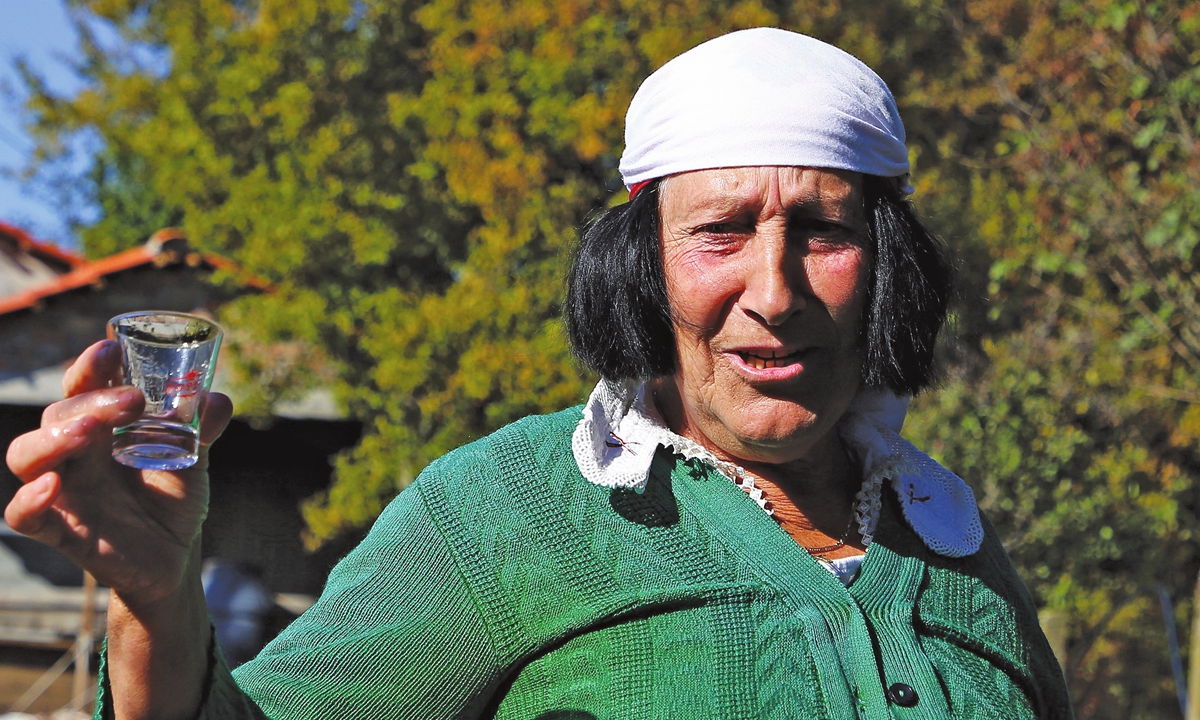
- Raki Culture: This potent spirit is central to Albanian gatherings and celebrations.

Albania’s Rich History, Culture, and Traditions
Albania’s history spans millennia, with influences from the Illyrians, Greeks, Romans, Byzantines, and Ottomans. These rich traditions have shaped the country’s unique identity.
What Traditions Reflect Albania’s Heritage?
- Polyphonic Singing: Recognized by UNESCO, this traditional music form is a testament to Albania’s cultural depth.
- Traditional Albanian Dances: Performed at weddings and celebrations, these dances are a vibrant expression of community.
- Ethnographic Museums: Locations like Krujë and Berat preserve and display Albania’s rich cultural past.
How Does Albania Preserve Its Historical Sites?
- Berat and Gjirokaster: Known as the “City of a Thousand Windows” and the “Stone City,” these UNESCO-listed towns preserve Ottoman-era architecture.
- Rozafa Castle: This historic fortress overlooks Shkodra and offers panoramic views and ancient legends.
- Butrint National Park: Combining archaeological treasures with natural beauty, it’s a must-visit for history buffs.
Why Are Albania’s Traditions Respected Worldwide?
- Religious Harmony: Albania’s history of peaceful coexistence between Muslims, Christians, and others is a model of tolerance.
- Hospitality: Albanians are known for their generosity and warmth, welcoming visitors with open arms.
Why Is Albania So Popular?
Albania’s growing popularity as a travel destination stems from its stunning landscapes, rich culture, and affordability. This Balkan gem is attracting visitors eager to experience its unique offerings.
What Are the Key Reasons for Albania’s Popularity?
- Undiscovered Beaches: The untouched coastline along the Albanian Riviera provides pristine beaches, perfect for those seeking tranquility.
- Adventure Opportunities: Hiking in the Accursed Mountains and exploring Lake Koman’s scenic ferry routes make Albania a paradise for outdoor enthusiasts.
- Cultural Treasures: From Ottoman-era towns to UNESCO World Heritage sites, Albania offers a wealth of history to uncover.

Why Do People Love Visiting Albania?
- Affordable Travel: Albania offers incredible value, from budget-friendly accommodations to inexpensive transportation.
- Delicious Cuisine: Traditional dishes like fërgesë and byrek highlight Albania’s culinary appeal.
- Friendly Locals: Albanian hospitality is legendary, with locals eager to share their culture with visitors.
How Does Albania Compare to Other Destinations?
- Authenticity: Unlike heavily touristed destinations, Albania retains its charm and authenticity.
- Diverse Experiences: Whether exploring ancient ruins, relaxing on secluded beaches, or hiking mountain trails, Albania offers something for everyone.
What Is Unique to Albania?
Albania stands out with its distinct cultural practices, historical significance, and natural landscapes. These unique aspects make it a destination like no other.
What Sets Albania Apart Culturally?
- Language: Albanian, an Indo-European language with no close relatives, is a point of pride and a symbol of national identity.
- Religious Tolerance: A legacy of peaceful coexistence among different faiths sets Albania apart.
- Nodding for No: The unique Albanian gesture of nodding for no and shaking the head for yes can be a delightful surprise for visitors.
What Natural Features Are Exclusive to Albania?
- Blue Eye Spring: A stunning natural spring with mesmerizing turquoise waters.
- Valbona Valley: A secluded haven in the Albanian Alps, perfect for hiking and exploring unspoiled nature.
- Ksamil Islands: A cluster of pristine islands just off the southern coast.
Why Is Albania Considered a Hidden Gem?
- Lesser-Known Destination: Albania remains under the radar compared to neighboring tourist hotspots like Greece and Croatia.
- Rich History with Modern Appeal: While steeped in history, Albania is rapidly modernizing, offering a blend of old-world charm and contemporary experiences.
What Is Albania Known For? 55 Things Albania Is Famous For
Albania’s charm lies in its rich tapestry of culture, history, and natural beauty. From iconic landmarks to lesser-known treasures, here’s an extensive look at what makes Albania a standout destination.
What Are the Historical Highlights of Albania?
- UNESCO Heritage Sites: Berat, Gjirokaster, and Butrint showcase Albania’s fascinating history and architectural splendor.
- Roman Influence: Sites like the Durres Amphitheater and Butrint reflect the Roman Empire’s legacy.
- Ottoman Era Architecture: Cities like Kruja and Berat are adorned with structures from the Ottoman period, offering a glimpse into Albania’s past.

What Are Albania’s Natural Attractions?
- The Albanian Alps: Known as the Accursed Mountains, they offer breathtaking landscapes and adventure opportunities.
- Lake Koman Ferry: A world-class boat journey through stunning gorges and crystal-clear waters.
- Blue Eye Spring: A unique natural phenomenon known for its vibrant blue water and mystical appeal.
What Are Albania’s Cultural and Traditional Highlights?
- Traditional Dance: Albanian folk dances like the “Vallja” showcase the country’s vibrant heritage.
- Distinct Language: The Albanian language stands out as one of Europe’s most ancient and unique.
- Xhiro Tradition: The evening stroll, known as xhiro, is a cherished Albanian custom that brings communities together.
What Are Albania’s Most Famous Culinary Offerings?
- Byrek: A savory pastry filled with cheese, spinach, or meat, perfect for any meal.
- Tavë Kosi: A national dish made with lamb, rice, and yogurt.
- Fresh Seafood: Coastal regions like Saranda and Vlora serve the freshest catches from the Adriatic and Ionian Seas.
Albania Travel Info: Why Visit Albania?
Travelers are increasingly drawn to Albania for its affordability, authenticity, and diverse offerings. Here’s why Albania should be on your travel bucket list.
How Does Albania Cater to Tourists?
- Affordable Travel: From budget-friendly accommodations to inexpensive dining, Albania offers a cost-effective travel experience.
- Growing Tourism Infrastructure: With new roads, hotels, and tours, Albania is becoming more accessible while maintaining its charm.
- Friendly Locals: The hospitality of Albanians ensures a welcoming experience for all visitors.
What Are Albania’s Must-Visit Destinations?
- Tirana: The vibrant capital with colorful buildings and a thriving cultural scene.
- Saranda: A seaside town offering beautiful beaches and proximity to Butrint.
- Gjirokaster: Known as the “City of Stone,” it boasts a unique mix of history and culture.

Why Is Albania Ideal for Families?
- Safe Environment: Albania is considered one of the safest destinations in Europe.
- Activities for All Ages: From beach days to historical explorations, there’s something for every family member.
- Cultural Enrichment: Children and adults alike can learn about Albania’s rich heritage and traditions.
Why Is Albania So Popular Among Tourists?
Albania’s popularity as a travel destination is steadily growing, and it’s easy to see why. From stunning landscapes to warm hospitality, the country has much to offer.
What Makes Albania’s Beaches Unique?
- Unspoiled Coastline: Albania’s beaches, such as Ksamil and Gjipe, remain pristine and less crowded than those in neighboring Mediterranean countries.
- The Albanian Riviera: This 120-kilometer stretch boasts turquoise waters, dramatic cliffs, and secluded coves.
- Variety of Experiences: Visitors can enjoy water sports, sunbathing, or exploring hidden bays.
Why Do People Love the Albanian Alps?
- Stunning Scenery: The peaks, glacial lakes, and meadows of the Accursed Mountains are unparalleled in Europe.
- Adventure Opportunities: Activities like hiking, camping, and eco-tours attract adventure enthusiasts.
- Rich Biodiversity: The Alps are home to diverse flora and fauna, making them a nature lover’s paradise.
What Role Does Albanian Hospitality Play?
- Warm Welcomes: Albanians are known for their genuine friendliness and eagerness to assist travelers.
- Cultural Immersion: Many locals invite tourists into their homes, offering an authentic experience of Albanian life.
- Language Accessibility: While Albanian is the official language, English is widely spoken in tourist areas, making communication easy.
What Is Unique to Albania?
Albania’s distinctiveness stems from its rich history, cultural quirks, and unique traditions that set it apart from other destinations.
How Do Albania’s Traditions Stand Out?
- Religious Tolerance: The coexistence of multiple faiths—Islam, Orthodox Christianity, and Catholicism—highlights Albania’s inclusivity.
- Bektashi Sufism: This mystical Islamic sect has deep roots in Albania and adds to its cultural tapestry.
- Customs Like Xhiro: Evening strolls, a daily ritual, embody the country’s sense of community.
What Are Albania’s Historical Quirks?
- Bunker Legacy: The thousands of bunkers scattered across the country are a reminder of its communist past.
- Skanderbeg’s Influence: Albania’s national hero is celebrated for his resistance against the Ottoman Empire.
- Mother Teresa’s Heritage: Though she spent much of her life in India, Mother Teresa was of Albanian descent.
Why Is Albania’s Language So Special?
- Ancient Roots: The Albanian language is part of its own unique branch of the Indo-European family.
- Distinct Dialects: The two main dialects, Gheg and Tosk, reflect the country’s regional diversity.
- Cultural Preservation: The language is a source of pride and a cornerstone of Albanian identity.
What Is Albania Known for? Exploring its Culture, History, and Traditions
Albania’s culture and history offer a fascinating blend of influences from Illyrians, Romans, Byzantines, and Ottomans, all of which have left a lasting imprint on its traditions and way of life.
What Are Albania’s Most Famous Historical Landmarks?
- Berat and Gjirokastër: These UNESCO World Heritage towns showcase well-preserved Ottoman-era architecture and cobblestone streets.
- Butrint: A UNESCO-listed archaeological site that features ruins from Greek, Roman, and Byzantine civilizations.
- Skanderbeg Square: A central landmark in Tirana, named after Albania’s national hero.

What Are the Hallmarks of Albanian Culture?
- Traditional Dance and Music: Folk dances like the valle are performed at weddings and festivals, often accompanied by polyphonic singing.
- Unique Cuisine: Dishes like byrek, tavë kosi, and fërgesë highlight Albania’s culinary traditions influenced by Mediterranean and Balkan flavors.
- Religious Harmony: The peaceful coexistence of religions is a defining feature of Albanian culture.
How Is Albania’s History Preserved Through Festivals and Museums?
- National Ethnographic Museum: Located in Berat, it offers a glimpse into Albanian life during the Ottoman period.
- Carnivals and Folk Festivals: Celebrations such as the Gjirokastër Folk Festival keep traditions alive.
- Bunk’Art Museums: These converted bunkers detail Albania’s communist history and its transition to democracy.
What Are the 15 Unique Things About Albania?
This section delves into some of the distinctive features that make Albania stand out, drawing from various historical, cultural, and natural elements.
What Are Albania’s Natural Wonders?
- Blue Eye of Albania: A mesmerizing turquoise spring in the south that is both beautiful and mysterious.
- Lake Ohrid: Shared with North Macedonia, this ancient lake is home to unique flora and fauna.
- Accursed Mountains: Europe’s last wilderness, offering dramatic landscapes and remote villages.
How Is Albania’s History Reflected in Its Landmarks?
- Krujë Castle: A symbol of Skanderbeg’s resistance against the Ottomans.
- Pyramid of Tirana: A structure with a complex history that reflects Albania’s journey through communism and beyond.
- Rozafa Castle: A site of legend and a prime spot for panoramic views.

What Are Albania’s Quirky Traits?
- Head-Nodding Customs: Albanians nod for “no” and shake their head for “yes,” often surprising visitors.
- Scarecrows for Luck: Placed at construction sites to ward off envy and bring good fortune.
- Mercedes Obsession: The abundance of Mercedes-Benz cars is a humorous legacy of post-communist Albania.
Why Is Albania So Popular Among Tourists?
Albania’s growing popularity as a tourist destination stems from its stunning landscapes, rich history, affordable travel options, and warm hospitality. Let’s explore why this Balkan gem has captured the hearts of travelers worldwide.
What Makes Albania a Top Travel Destination?
- Affordable Travel: Albania offers budget-friendly options for accommodations, dining, and transportation, making it an attractive choice for travelers seeking value.
- Untouched Beauty: From the pristine beaches of the Albanian Riviera to the rugged peaks of the Albanian Alps, natural beauty abounds.
- Rich History and Heritage: The country’s ancient ruins, UNESCO-listed towns, and vibrant traditions give visitors a deep sense of connection to the past.
How Do Albanian Beaches Compare to the Mediterranean’s Best?
- Secluded Beaches: Unlike crowded tourist hotspots, beaches like Gjipe, Ksamil, and Drymades offer tranquil retreats.
- Crystal-Clear Waters: The Ionian and Adriatic Seas surrounding Albania boast pristine, turquoise waters.
- Coastal Towns: Saranda and Himara provide lively seaside experiences with a blend of modern amenities and traditional charm.
What Role Does Albanian Hospitality Play in Tourism?
- Welcoming Locals: Albanians are known for their generous hospitality, often going out of their way to help visitors feel at home.
- Unique Cultural Experiences: Tourists can participate in traditional dances, enjoy homemade raki, or share a meal with local families.
- Language Accessibility: Many Albanians speak English, Italian, or Greek, making communication easier for international travelers.
What Are 55 Things Albania Is Famous For?
From its history and culture to its unique quirks and natural wonders, Albania offers a wealth of experiences for visitors. Here’s a closer look at what makes Albania so fascinating.
What Are Albania’s Top Historical and Cultural Highlights?
- UNESCO Sites: Berat, Gjirokastër, Butrint, and the beech forests of Lumi i Gashit are globally recognized for their significance.
- Communist Legacy: Bunkers and museums like Bunk’Art preserve the memory of Albania’s communist era.
- Iconic Figures: National heroes like Skanderbeg and global icons like Mother Teresa are integral to Albania’s identity.
What Natural Attractions Are Must-See in Albania?
- Accursed Mountains: A paradise for hikers and nature enthusiasts.
- Blue Eye Spring: A vibrant natural phenomenon surrounded by lush greenery.
- Lake Koman Ferry: A scenic journey through steep gorges and limestone cliffs.
What Are Some Fun Facts About Albanian Life and Traditions?
- Xhiro: The Albanian evening stroll, a social tradition in towns and cities.
- Byrek and Fërgesë: Staples of Albanian cuisine that reflect the country’s Mediterranean influences.
- Raki Culture: This homemade spirit is an essential part of social gatherings and celebrations.
What Makes Albania Unique?
Albania’s distinctiveness lies in its rich culture, remarkable traditions, and natural beauty, setting it apart from other European destinations. Here’s an exploration of what is truly unique to Albania.
What Is Unique to Albania’s Culture and Traditions?
- Head Gestures: Albanians nod for “no” and shake their heads for “yes,” a cultural quirk that often surprises visitors.
- Religious Tolerance: Mosques and churches often sit side by side, reflecting Albania’s harmony among different faiths.
- Scarecrow Tradition: “Dordolec,” or scarecrows, are used on new constructions to ward off envy and bring good luck.
Why Do People Love Albania’s Natural Wonders?
- Diverse Landscapes: From the coastal charm of the Riviera to the alpine allure of Valbona, Albania offers incredible geographical variety.
- Wildlife Biodiversity: National parks like Llogara and Butrint boast unique ecosystems teeming with flora and fauna.
- Lake Ohrid: Shared with North Macedonia, this ancient lake is a UNESCO World Heritage Site known for its pristine waters and endemic species.
What Keeps Albania’s History Alive?
- Ottoman Heritage: Towns like Berat and Gjirokastër showcase stunning Ottoman-era architecture.
- Ancient Ruins: Sites such as Butrint reveal layers of Greek, Roman, and Byzantine history.
- Living Citadels: Berat’s hilltop castle remains inhabited, providing a rare glimpse into medieval life.
Why Has Albania Become a Popular Tourist Destination?
Albania’s rise in popularity among tourists is driven by its affordability, hidden gems, and cultural depth. Let’s uncover why more people are adding Albania to their travel bucket lists.
What Are the Draws of Albania’s Affordable Travel?
- Low Costs: Budget-friendly accommodations, food, and transportation make Albania an attractive destination.
- Accessible Experiences: From cable car rides to mountain hikes, Albania offers premium experiences at reasonable prices.
- Value for Money: High-quality dining and activities at a fraction of the cost in neighboring countries.
How Do Albania’s Undiscovered Gems Attract Travelers?
- Quiet Beaches: The untouched beauty of beaches like Ksamil and Gjipe appeals to those seeking tranquility.
- Hidden Villages: Remote areas like Theth and Valbona provide authentic cultural encounters and scenic vistas.
- Unique Museums: Attractions like Bunk’Art and the National History Museum preserve Albania’s layered history.
What Are Albania’s Natural Attractions That Stand Out?
Albania’s breathtaking natural beauty is a major draw for travelers seeking adventure, relaxation, and picturesque landscapes.
Why Are the Albanian Alps a Must-Visit?
- Hiking Trails: The Theth to Valbona trek offers challenging paths with rewarding mountain views.
- Lake Koman Ferry: This ferry ride through deep canyons and limestone gorges is often described as one of the world’s most beautiful boat journeys.
- Diverse Wildlife: The Alps are home to lynxes, wolves, and a variety of bird species.
What Makes the Albanian Riviera Special?
- Pristine Beaches: Visit secluded spots like Gjipe Beach, Dhërmi, and Ksamil for crystal-clear waters and white sand.
- Charming Villages: Coastal towns like Himarë and Saranda blend historical charm with modern amenities.
- Cultural Fusion: The Riviera’s cuisine and architecture reflect Greek, Italian, and Ottoman influences.

Why Is the Blue Eye of Albania So Famous?
- Natural Wonder: This spring’s vivid blue water resembles an eye and is one of Albania’s most photographed attractions.
- Adventure Opportunities: Visitors can swim in the chilly waters or explore nearby hiking trails.
- Mystery: The spring’s depth remains unknown, adding to its allure.
Why Do People Love Albania for Its Hospitality and Unique Culture?
Albania’s warm and welcoming culture is a significant reason travelers fall in love with the country. Its unique traditions and friendly locals create unforgettable experiences.
What Are Albanians Best Known For in Terms of Hospitality?
- Besa Tradition: Albanians uphold the concept of “besa,” a code of honor that emphasizes trust and hospitality.
- Open-Door Culture: Visitors are often invited into homes for meals, showcasing genuine Albanian warmth.
- Generosity Toward Guests: Locals go out of their way to help tourists, whether by offering directions or sharing meals.
Why Is Religious Tolerance Unique in Albania?
- Peaceful Coexistence: Muslims, Orthodox Christians, and Catholics live harmoniously, with churches and mosques often located side by side.
- Historical Significance: Albania’s ban on religion during the communist era shaped a culture of tolerance that endures today.
- Global Recognition: Pope Francis praised Albania as a model of religious coexistence during his visit in 2014.
What Are the Unique Cultural Quirks of Albania?
- Nod for No, Shake for Yes: Albanians reverse the typical head gestures for “yes” and “no,” which can be confusing but charming.
- Xhiro Tradition: Evening strolls, or “xhiro,” bring communities together as they walk and socialize in town squares.
- Traditional Folk Dances: Circle dances with intricate footwork and traditional costumes highlight Albania’s rich cultural heritage.

What Are the Fun Facts That Make Albania Famous?
Albania is full of surprising facts and fascinating tidbits that make it stand out on the world map.
Why Is Albania Referred to as the “Land of Eagles”?
- Symbolism: The two-headed eagle on the national flag represents Albania’s independence and strength.
- Historical Roots: The name “Shqipëri” (Albania) translates to “Land of the Eagles” in Albanian.
- Cultural Pride: Eagles are a common motif in Albanian art, jewelry, and architecture.
How Did Albania Become the World’s First Atheist State?
- Communist Regime: Enver Hoxha declared Albania an atheist state in 1967, banning all religious practices.
- Legacy: While religion was suppressed for decades, Albania has since embraced religious freedom.
- Modern Rebirth: Today, religious institutions and traditions thrive across the country.
What Are Some Interesting Superstitions in Albanian Culture?
- Scarecrows for Protection: “Dordolec” scarecrows are placed on new construction sites to ward off envy and bring good luck.
- Evil Eye Beliefs: Many Albanians use charms or symbols to protect against jealousy and misfortune.
- Lucky Items: Horseshoes and red strings are popular talismans for attracting positive energy.


